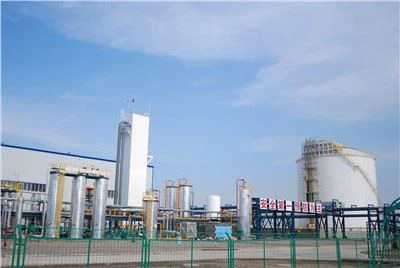
Maintaining the spare parts of an Oxygen Liquefier is crucial for ensuring its efficient and reliable operation. As a leading Oxygen Liquefier supplier, we understand the significance of proper maintenance to extend the lifespan of the equipment and avoid costly downtime. In this blog, we will delve into the essential steps and best practices for maintaining the spare parts of an Oxygen Liquefier.
Understanding the Oxygen Liquefier
Before we discuss the maintenance of spare parts, it's important to have a basic understanding of an Oxygen Liquefier. An Oxygen Liquefier is a complex piece of equipment used to convert gaseous oxygen into liquid oxygen through a refrigeration process. It consists of various components, including compressors, heat exchangers, expansion valves, and storage tanks. Each of these components plays a vital role in the liquefaction process, and the proper functioning of their spare parts is essential for the overall performance of the liquefier.


Regular Inspection
Regular inspection is the cornerstone of effective spare parts maintenance. It allows you to identify potential issues before they escalate into major problems. Here are some key areas to focus on during inspections:
Compressors
Compressors are responsible for increasing the pressure of the gaseous oxygen. Check the compressor's lubrication levels, belt tension, and the condition of the valves regularly. Look for signs of wear and tear, such as excessive vibrations or unusual noises, which could indicate a problem with the compressor or its spare parts.
Heat Exchangers
Heat exchangers transfer heat between the gaseous and liquid oxygen. Inspect the heat exchanger tubes for any signs of corrosion, leaks, or blockages. Clean the heat exchanger surfaces to ensure optimal heat transfer efficiency.
Expansion Valves
Expansion valves control the flow of the refrigerant and are critical for the refrigeration process. Check the valves for proper operation, including their ability to regulate the flow and pressure accurately. Replace any worn or damaged valves immediately.
Storage Tanks
Storage tanks hold the liquid oxygen. Inspect the tanks for any signs of leaks, corrosion, or damage to the insulation. Check the pressure relief valves to ensure they are functioning correctly and can release excess pressure if necessary.
Cleaning and Lubrication
Proper cleaning and lubrication are essential for the smooth operation of the spare parts in an Oxygen Liquefier.
Cleaning
Dirt, dust, and debris can accumulate on the components of the liquefier over time, reducing their efficiency and potentially causing damage. Regularly clean the exterior and interior of the equipment using appropriate cleaning agents. For example, you can use a mild detergent to clean the compressor housing and a specialized refrigerant system cleaner for the heat exchangers.
Lubrication
Lubrication helps reduce friction between moving parts, preventing wear and tear and extending the lifespan of the spare parts. Follow the manufacturer's recommendations for the type and frequency of lubrication. For compressors, use high-quality lubricating oil and change it at the recommended intervals.
Spare Parts Inventory Management
Maintaining an appropriate inventory of spare parts is crucial for minimizing downtime in case of a breakdown. Here are some tips for effective spare parts inventory management:
Identify Critical Spare Parts
Not all spare parts are created equal. Identify the critical spare parts that are essential for the immediate operation of the Oxygen Liquefier, such as compressor valves, expansion valves, and gaskets. Keep an adequate supply of these parts on hand at all times.
Establish a Reorder Point
Determine the reorder point for each spare part based on its usage rate and lead time for replenishment. When the quantity of a particular spare part reaches the reorder point, place an order immediately to avoid running out of stock.
Maintain an Inventory Database
Keep a detailed inventory database that includes information such as the part name, part number, quantity on hand, reorder point, and supplier details. This will help you track your inventory levels and manage your orders more efficiently.
Training and Documentation
Proper training of your maintenance staff is essential for ensuring that they have the skills and knowledge to maintain the spare parts of an Oxygen Liquefier correctly. Provide comprehensive training on the equipment's operation, maintenance procedures, and safety protocols.
In addition, maintain detailed documentation of all maintenance activities, including inspection reports, cleaning schedules, lubrication records, and spare parts replacements. This documentation will not only help you track the history of the equipment but also provide valuable information for future maintenance and troubleshooting.
Comparison with Other Liquefiers
While our focus here is on Oxygen Liquefiers, it's worth noting that there are other types of liquefiers available, such as Nitrogen Liquefier and Oxygen and Nitrogen Liquefier. Although the basic principles of maintenance are similar, there are some differences in the specific spare parts and maintenance requirements. For example, Nitrogen Liquefiers may have different compressor specifications and refrigeration cycles compared to Oxygen Liquefiers. However, the general concepts of regular inspection, cleaning, lubrication, and inventory management apply to all types of liquefiers.
Conclusion
Maintaining the spare parts of an Oxygen Liquefier is a critical task that requires careful attention and adherence to best practices. By conducting regular inspections, cleaning and lubricating the components, managing your spare parts inventory effectively, training your maintenance staff, and maintaining detailed documentation, you can ensure the reliable and efficient operation of your Oxygen Liquefier.
If you are in the market for an Oxygen Liquefier or need assistance with the maintenance of your existing equipment, we invite you to contact us for a consultation. Our team of experts is ready to help you find the right solutions for your specific needs.
References
- "Oxygen Liquefier Operation and Maintenance Manual." Manufacturer's documentation.
- "Best Practices for Liquefier Maintenance." Industry standard guidelines.
- "Spare Parts Management in Industrial Equipment." Academic research on inventory management in the context of industrial machinery.