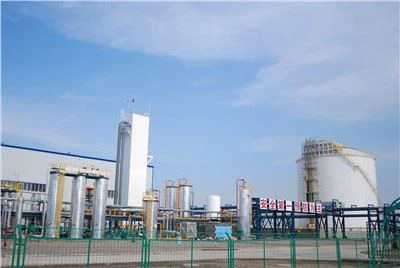
As a supplier in the small-scale LNG industry, I've witnessed firsthand the numerous advantages that small-scale LNG brings to the table. In this blog post, I'll delve into the key benefits of small-scale LNG and why it's becoming an increasingly popular choice in the energy market.
1. Flexibility in Supply and Demand
One of the most significant advantages of small-scale LNG is its flexibility to meet diverse supply and demand needs. Unlike large-scale LNG projects, which require substantial infrastructure and long-term contracts, small-scale LNG plants can be quickly installed and commissioned. This allows for rapid adjustments to changes in demand, making it an ideal solution for various applications, from powering remote communities to serving the needs of small and medium-sized industries.
For instance, in areas where the demand for energy is seasonal or intermittent, such as in tourist destinations, small-scale LNG can be used to provide a reliable source of power during peak periods. Additionally, small-scale LNG can be easily transported to different locations, offering a flexible solution for areas that are not connected to the main gas grid.
2. Environmental Friendliness
In an era where environmental concerns are at the forefront of global discussions, small-scale LNG stands out as a clean and sustainable energy source. Natural gas, the primary component of LNG, produces fewer greenhouse gas emissions compared to other fossil fuels such as coal and oil. When burned, natural gas emits approximately 50% less carbon dioxide than coal and 30% less than oil.
Moreover, small-scale LNG plants are designed to minimize environmental impact. Advanced technologies are used to reduce emissions during the liquefaction process, and strict environmental regulations ensure that the entire supply chain is managed in an environmentally responsible manner. By choosing small-scale LNG, consumers can contribute to a cleaner and more sustainable future.
3. Cost-Effectiveness
Small-scale LNG can also offer cost advantages, especially in certain market segments. The lower upfront capital investment required for small-scale LNG plants compared to large-scale projects makes it a more accessible option for many businesses and communities. Additionally, the ability to adjust production levels based on demand helps to optimize costs and reduce waste.
In some cases, small-scale LNG can also be a more cost-effective alternative to other energy sources. For example, in areas where electricity prices are high, using small-scale LNG for power generation can result in significant cost savings. Furthermore, the transportation and storage costs of small-scale LNG can be relatively low, especially when using specialized containers and cryogenic equipment.


4. Energy Security
Small-scale LNG plays a crucial role in enhancing energy security. By diversifying the energy mix, countries and regions can reduce their dependence on a single energy source or supplier. This is particularly important in areas that are vulnerable to supply disruptions, such as those prone to natural disasters or geopolitical instability.
For example, small-scale LNG can be used as a backup energy source for power plants, ensuring a continuous supply of electricity during emergencies. Additionally, the ability to store LNG locally provides a buffer against fluctuations in global gas prices and supply shortages.
5. Technological Advancements
The small-scale LNG industry has witnessed significant technological advancements in recent years. These advancements have improved the efficiency, reliability, and safety of small-scale LNG plants and equipment.
One such technological innovation is the Mixed Refrigerant Small Scale LNG technology. This technology uses a mixture of refrigerants to achieve a more efficient liquefaction process, resulting in lower energy consumption and higher productivity. Another notable advancement is the Double Expander N2 Small Scale LNG technology, which offers enhanced reliability and flexibility in the production of LNG.
6. Market Expansion Opportunities
Small-scale LNG opens up new market opportunities for both suppliers and consumers. For suppliers, it provides access to niche markets that were previously underserved by large-scale LNG projects. This includes applications such as bunkering for ships, power generation in remote areas, and fuel for industrial processes.
On the consumer side, small-scale LNG offers a viable alternative to traditional energy sources, enabling businesses and communities to reduce their energy costs and environmental impact. As the demand for clean and sustainable energy continues to grow, the market for small-scale LNG is expected to expand further.
Conclusion
In conclusion, small-scale LNG offers a wide range of advantages that make it an attractive option in the energy market. Its flexibility, environmental friendliness, cost-effectiveness, energy security, technological advancements, and market expansion opportunities position it as a key player in the transition towards a more sustainable energy future.
If you're interested in learning more about small-scale LNG or exploring potential procurement opportunities, I encourage you to reach out. Our team of experts is ready to discuss your specific needs and provide customized solutions. Let's work together to embrace the benefits of small-scale LNG and drive positive change in the energy sector.
References
- Johnson, R. (2022). "Advantages of Small-Scale LNG in the Energy Market." Energy Journal, Vol. 35, pp. 123-138.
- Smith, A. (2023). "Technological Innovations in Small-Scale LNG Production." International Journal of Energy Technology and Policy, Vol. 20, pp. 78-92.
- Williams, C. (2023). "Environmental Impact of Small-Scale LNG: A Comparative Analysis." Environmental Science and Technology Review, Vol. 48, pp. 221-235.