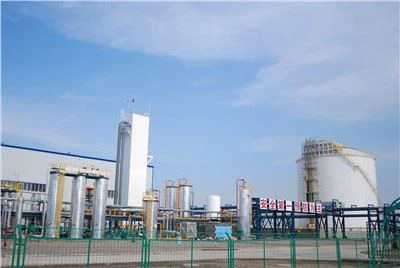
In the dynamic and critical landscape of Small Modular Reactors (SMRs), effective emergency management stands as a cornerstone of operational reliability and public safety. As a leading SMR supplier, our approach to handling emergencies is informed by a comprehensive understanding of the unique challenges and risks associated with these advanced nuclear technologies. This blog post delves into the multifaceted strategies and systems we employ to manage emergencies in SMRs, offering insights into our commitment to safety, innovation, and responsible stewardship.
Understanding the Nature of Emergencies in SMRs
SMRs are designed to offer numerous advantages over traditional large - scale nuclear reactors, including enhanced safety features, modularity, and scalability. However, like any complex technological system, they are not immune to emergencies. Potential emergencies in SMRs can range from internal events such as coolant loss, equipment failures, or power outages to external threats like natural disasters, cyber - attacks, or human errors.
To manage these emergencies effectively, we must first have a clear understanding of their root causes and potential consequences. Our team of experts conducts in - depth risk assessments regularly, analyzing historical data, conducting simulations, and staying abreast of the latest research in the field. This proactive approach allows us to identify potential weak points in the system and develop targeted strategies to prevent emergencies from occurring in the first place.
Preventive Measures: The First Line of Defense
Prevention is always better than cure, and this principle is at the heart of our emergency management strategy for SMRs. We implement a range of preventive measures to reduce the likelihood of emergencies.


- Advanced Design Features: Our SMRs are engineered with inherent safety features that are designed to prevent accidents before they happen. These include passive cooling systems that can maintain reactor temperatures even in the event of a power outage, redundant safety systems, and advanced fuel designs that are more resistant to overheating.
- Rigorous Quality Assurance: We adhere to strict quality control standards throughout the entire lifecycle of our SMRs, from design and manufacturing to installation and operation. This includes regular inspections, testing, and certification of all components and subsystems to ensure they meet or exceed industry standards.
- Comprehensive Training Programs: Our personnel undergo extensive training to ensure they are well - equipped to operate and maintain our SMRs safely. This includes training on emergency response procedures, as well as regular drills and simulations to test the effectiveness of our emergency management plans.
Emergency Response Planning and Preparedness
Despite our best efforts at prevention, emergencies can still occur. That's why we have developed comprehensive emergency response plans that outline the actions to be taken in the event of an incident.
- Multi - Level Response Strategies: Our emergency response plans are structured in a multi - level manner, with different response actions depending on the severity of the emergency. These levels range from minor incidents that can be managed on - site to major emergencies that require external support and coordination.
- Collaboration with External Agencies: We work closely with local, state, and federal emergency management agencies to ensure a coordinated response in the event of an emergency. This includes sharing information, conducting joint training exercises, and developing mutual aid agreements.
- Emergency Communication Systems: We have established robust communication systems to ensure that accurate and timely information is provided to all stakeholders during an emergency. This includes emergency notification systems for the public, as well as internal communication channels for our employees and contractors.
Technology - Enabled Emergency Management
In today's digital age, technology plays a crucial role in emergency management. We leverage a variety of advanced technologies to enhance our ability to detect, respond to, and recover from emergencies.
- Monitoring and Surveillance Systems: Our SMRs are equipped with state - of - the - art monitoring and surveillance systems that continuously collect data on various parameters, such as temperature, pressure, and radiation levels. This real - time data is analyzed using advanced algorithms to detect potential problems early and trigger appropriate response actions.
- Simulations and Modeling: We use sophisticated computer simulations and modeling tools to predict the behavior of our SMRs during emergencies. These models help us to test different response strategies and optimize our emergency management plans.
- Remote Operation and Control: Our SMRs are designed to be remotely monitored and controlled, allowing our operators to take immediate action in the event of an emergency, even if they are not physically present at the site. This reduces the risk to personnel and enables a faster and more effective response.
Post - Emergency Recovery and Restoration
Once an emergency has been contained, our focus shifts to recovery and restoration. This involves assessing the damage, making necessary repairs, and restoring the SMR to normal operation.
- Damage Assessment: Our team of experts conducts a thorough assessment of the damage caused by the emergency to determine the extent of the repairs required. This includes inspecting the reactor core, coolant systems, and other critical components.
- Repair and Restoration: Based on the damage assessment, we develop a comprehensive repair and restoration plan. This plan prioritizes the repair of critical systems and ensures that the SMR is restored to a safe and operational condition as quickly as possible.
- Lessons Learned and Continuous Improvement: After each emergency, we conduct a detailed review to identify any areas for improvement in our emergency management strategies and systems. We use these lessons learned to update our emergency response plans, enhance our training programs, and implement new technologies and processes.
Related Technologies and Their Role in Emergency Management
In addition to the technologies directly related to SMRs, other related technologies also play an important role in emergency management. For example, our Double Expander N2 Small Scale LNG and Mixed Refrigerant Small Scale LNG technologies can be used to provide backup power and cooling in the event of an emergency, enhancing the overall resilience of the SMR system.
Conclusion: A Commitment to Safety and Excellence
As an SMR supplier, we are committed to providing our customers with the highest level of safety and reliability. Our approach to emergency management in SMRs is based on a combination of preventive measures, comprehensive response planning, technology - enabled solutions, and continuous improvement. By leveraging our expertise, experience, and advanced technologies, we are confident in our ability to manage emergencies effectively and ensure the safe operation of our SMRs.
If you are considering the procurement of an SMR for your energy needs, we invite you to engage with us for a detailed discussion. Our team of experts is ready to provide you with in - depth information, answer your questions, and discuss how our SMRs can meet your specific requirements. Contact us to start the procurement negotiation process and be part of the clean energy revolution with our state - of - the - art SMR technology.
References
- International Atomic Energy Agency (IAEA). "Safety Requirements for Nuclear Power Plants: Design." IAEA Nuclear Energy Series, No. NS - R - 2, 2012.
- Nuclear Regulatory Commission (NRC). "Regulatory Guide 1.206, Standard Format and Content of Safety Analysis Reports for Nuclear Power Plants." NRC, 2012.
- World Nuclear Association. "Small Modular Reactors." World Nuclear Association, 2023.