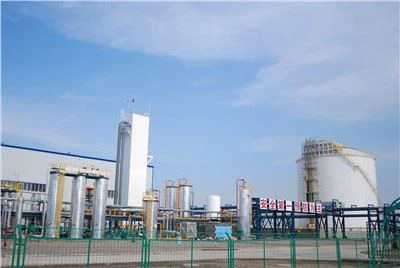
High purity alloys are a specialized class of materials that have gained significant importance in various industries due to their unique properties and characteristics. As a reputable high purity alloy supplier, we understand the diverse applications of these alloys and their crucial role in modern technology. In this blog, we will explore the various applications of high purity alloys, highlighting their significance and how they contribute to the advancement of different sectors.
Aerospace Industry
The aerospace industry demands materials that can withstand extreme conditions, including high temperatures, high pressures, and corrosive environments. High purity alloys are ideal for this sector due to their excellent mechanical properties, corrosion resistance, and high strength-to-weight ratio.
Turbine Engines: High purity nickel-based alloys are commonly used in turbine engines. These alloys can maintain their strength and stability at high temperatures, which is essential for the efficient operation of jet engines. For example, Inconel 718, a high purity nickel-chromium alloy, is widely used in the manufacture of turbine disks, blades, and other critical engine components. Its high tensile strength, fatigue resistance, and excellent weldability make it a preferred choice for aerospace applications.
Airframe Structures: Aluminum-lithium high purity alloys are increasingly being used in airframe structures. These alloys offer a significant reduction in weight compared to traditional aluminum alloys, which helps to improve fuel efficiency and increase the payload capacity of aircraft. The high purity of these alloys ensures consistent mechanical properties, making them reliable for use in critical structural components.
Electronics Industry
In the electronics industry, high purity alloys are used for their electrical conductivity, thermal conductivity, and resistance to oxidation. These properties are essential for the efficient performance of electronic devices.
Semiconductor Manufacturing: High purity copper, aluminum, and gold alloys are used in semiconductor manufacturing. Copper alloys are commonly used for interconnects due to their high electrical conductivity. Gold alloys are used for wire bonding, a process that connects the semiconductor chip to the package. The high purity of these alloys ensures low electrical resistance and reliable electrical connections.
Thermal Management: Thermal interface materials (TIMs) are crucial for cooling electronic devices. High purity alloys, such as indium-based alloys, are used as TIMs because of their high thermal conductivity. These alloys can effectively transfer heat from the heat-generating components to the heat sinks, preventing overheating and ensuring the reliability of electronic devices.
Medical Industry
The medical industry requires materials that are biocompatible, corrosion-resistant, and can withstand sterilization processes. High purity alloys meet these requirements and are widely used in various medical applications.
Orthopedic Implants: Titanium and cobalt-chromium high purity alloys are commonly used in orthopedic implants, such as hip and knee replacements. These alloys are biocompatible, meaning they do not cause an adverse reaction when in contact with the human body. They also have high strength and corrosion resistance, making them suitable for long-term use in the body.
Dental Implants: High purity alloys, such as titanium alloys, are also used in dental implants. These alloys provide a strong and stable base for artificial teeth, and their biocompatibility ensures that they integrate well with the surrounding bone tissue.
Energy Industry
The energy industry, including oil and gas, nuclear, and renewable energy, relies on high purity alloys for their durability and resistance to harsh environments.
Oil and Gas Extraction: In offshore oil and gas platforms, high purity stainless steel alloys are used in pipelines, valves, and other equipment. These alloys are resistant to corrosion from seawater and the chemicals used in the extraction process. For example, duplex stainless steel alloys offer high strength and excellent corrosion resistance, making them suitable for use in harsh marine environments.


Nuclear Power Plants: High purity nickel-based alloys, such as Inconel 600 and Incoloy 800, are used in nuclear power plants. These alloys can withstand high temperatures and radiation, and they are resistant to corrosion from coolant fluids. They are used in reactor vessels, heat exchangers, and other critical components.
Renewable Energy: In the renewable energy sector, high purity alloys are used in wind turbines and solar panels. For wind turbines, high strength steel alloys are used in the construction of the tower and the main shaft. In solar panels, high purity silver alloys are used for their high electrical conductivity in the production of photovoltaic cells.
Defense Industry
The defense industry requires materials that can provide high performance and reliability in combat situations. High purity alloys are used in various defense applications, including weapons systems, military vehicles, and aerospace defense.
Weapons Systems: High purity steel alloys are used in the manufacturing of guns, tanks, and other weapons systems. These alloys offer high strength, hardness, and wear resistance, ensuring the durability and reliability of the weapons. For example, armor-piercing projectiles are often made from high purity tungsten alloys, which have high density and strength.
Military Vehicles: Aluminum and magnesium high purity alloys are used in the construction of military vehicles to reduce weight and improve fuel efficiency. These alloys also offer good corrosion resistance, which is important for vehicles operating in different environments.
Other Applications
In addition to the above industries, high purity alloys have many other applications.
Jewelry Making: High purity gold, silver, and platinum alloys are used in jewelry making. These alloys are valued for their beauty, durability, and resistance to tarnishing. The high purity of these alloys ensures the quality and value of the jewelry.
Chemical Processing: In the chemical processing industry, high purity alloys are used in reactors, pipes, and other equipment. These alloys are resistant to corrosion from various chemicals, ensuring the safe and efficient operation of the chemical processes. For example, Hastelloy alloys are commonly used in the chemical industry due to their excellent corrosion resistance in harsh chemical environments.
Our Offerings as a High Purity Alloy Supplier
As a trusted high purity alloy supplier, we offer a wide range of high quality alloys to meet the diverse needs of different industries. Our alloys are produced using advanced manufacturing processes and strict quality control measures to ensure high purity and consistent properties.
We understand the importance of reliable materials in various applications, and we are committed to providing our customers with the best products. Whether you need high purity alloys for aerospace, electronics, medical, energy, defense, or other industries, we can offer solutions tailored to your specific requirements.
If you are interested in our high purity alloys, we invite you to [initiate a discussion about your procurement needs]. We have a team of experts who can provide you with detailed information and technical support. Contact us today to explore how our high purity alloys can benefit your business.
References
- ASM Handbook Committee. (2000). ASM Handbook Volume 2: Properties and Selection: Nonferrous Alloys and Special-Purpose Materials. ASM International.
- Davis, J. R. (ed.). (1997). Nickel, Cobalt, and Their Alloys. ASM International.
- Reed, R. C. (2006). The Superalloys: Fundamentals and Applications. Cambridge University Press.