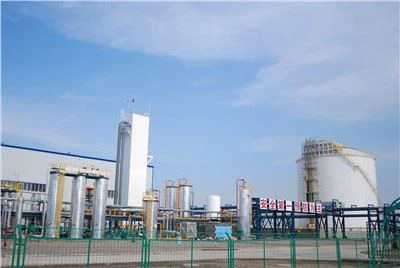
Nitrogen is a crucial element in various industries, and as a nitrogen supplier, I've witnessed its wide - ranging applications. However, it's essential to understand the environmental impacts of nitrogen emissions. This blog aims to explore these impacts and how our products, such as the Mini Liquid Air Separation Plant, Intelligent Integrated Liquid Nitrogen Generator With Liquefier, and Small Liquid Air Separation Plant, can be part of solutions to mitigate those impacts.
1. Nitrogen Emissions Sources
Nitrogen emissions primarily occur from both natural and human - made sources. Naturally, nitrogen is released into the atmosphere through biological processes such as denitrification, where bacteria convert nitrates in the soil back into nitrogen gas. On the other hand, human activities are significant contributors to nitrogen emissions. The burning of fossil fuels in transportation, power generation, and industrial processes releases large amounts of nitrogen oxides (NOₓ). Agriculture also plays a major role; the application of nitrogen - based fertilizers results in the emission of nitrous oxide (N₂O), a potent greenhouse gas.


Our nitrogen - related products are used in industries like food packaging, metal processing, and electronics manufacturing. In the production of nitrogen for these industries, there's a need to be mindful of potential nitrogen emissions. Our Mini Liquid Air Separation Plant is designed to produce nitrogen efficiently, but proper operation and maintenance are required to minimize emissions during the separation process.
2. Effects on Air Quality
Nitrogen oxides (NOₓ), including nitric oxide (NO) and nitrogen dioxide (NO₂), have a direct impact on air quality. When released into the atmosphere, NOₓ reacts with sunlight and other pollutants to form ground - level ozone. Ground - level ozone is a harmful air pollutant that can cause respiratory problems such as coughing, wheezing, and shortness of breath. It can also damage lung tissue and reduce lung function, especially in children, the elderly, and those with pre - existing respiratory conditions.
Moreover, nitrogen oxides can combine with other substances in the air to form fine particulate matter (PM₂.₅). These tiny particles can penetrate deep into the lungs and even enter the bloodstream. Exposure to PM₂.₅ has been linked to a variety of health issues, including heart disease, lung cancer, and premature death. As a nitrogen supplier, we understand the importance of reducing NOₓ emissions from our production facilities. Our Intelligent Integrated Liquid Nitrogen Generator With Liquefier utilizes advanced technology to achieve high - efficiency nitrogen production with less energy consumption, which in turn helps to reduce the potential for NOₓ emissions associated with energy production.
3. Impact on Climate Change
Nitrous oxide (N₂O) is one of the most potent greenhouse gases. It has a global warming potential (GWP) that is about 265 - 298 times greater than that of carbon dioxide (CO₂) over a 100 - year time horizon. Although the concentration of N₂O in the atmosphere is much lower than that of CO₂, its high GWP makes it a significant contributor to climate change.
In agriculture, the excessive use of nitrogen fertilizers leads to increased nitrous oxide emissions. Microorganisms in the soil convert the nitrogen in the fertilizers into N₂O through processes like nitrification and denitrification. As a nitrogen supplier, we can play a role in promoting more sustainable nitrogen use. Our Small Liquid Air Separation Plant can be used in some agricultural applications where a more precise and controlled supply of nitrogen is needed, potentially reducing the over - application of fertilizers and thus lowering N₂O emissions.
4. Effects on Ecosystems
Nitrogen emissions can have far - reaching effects on ecosystems. When nitrogen compounds are deposited on land and water bodies through processes like wet and dry deposition, they can cause eutrophication. In aquatic ecosystems, eutrophication occurs when an excess of nitrogen and other nutrients leads to an overgrowth of algae. This algal bloom can block sunlight from reaching underwater plants, causing them to die. As the dead plants decompose, oxygen in the water is consumed, leading to the formation of "dead zones" where fish and other aquatic organisms cannot survive.
On land, an increase in nitrogen deposition can change the composition of plant communities. Some plant species that are more adapted to low - nitrogen environments may be outcompeted by nitrogen - loving species. This can lead to a loss of biodiversity in terrestrial ecosystems. Our products can be used in wastewater treatment plants to provide nitrogen for biological treatment processes. By ensuring the proper operation of these systems, we can help prevent excessive nitrogen from entering natural water bodies.
5. Mitigation Strategies
As a nitrogen supplier, we are committed to promoting and implementing strategies to mitigate the environmental impacts of nitrogen emissions. One approach is through the development and use of more efficient nitrogen production technologies. Our Mini Liquid Air Separation Plant is an example of such technology. It uses cryogenic distillation to separate nitrogen from air with high efficiency, reducing energy consumption and the associated emissions.
Another strategy is to work with our customers to promote more sustainable nitrogen use. In the agricultural sector, this can involve providing education on proper fertilizer application rates and timing. In industrial applications, we can help our customers optimize their nitrogen - using processes to minimize waste and emissions.
6. Contact for Purchase and Collaboration
Understanding the environmental impacts of nitrogen emissions is crucial for sustainable development. Our company offers a range of nitrogen - related products, including the Mini Liquid Air Separation Plant, Intelligent Integrated Liquid Nitrogen Generator With Liquefier, and Small Liquid Air Separation Plant. These products are designed to meet the needs of various industries while taking into account environmental considerations.
If you're interested in purchasing our products or discussing how we can work together to reduce nitrogen emissions and promote sustainable development, please feel free to reach out. We look forward to collaborating with you to create a more environmentally friendly future.
References
- IPCC. (2014). Climate Change 2014: Mitigation of Climate Change. Contribution of Working Group III to the Fifth Assessment Report of the Intergovernmental Panel on Climate Change.
- Galloway, J. N., et al. (2008). Transformation of the nitrogen cycle: Recent trends, questions, and potential solutions. Science, 320(5878), 889 - 892.
- Vitousek, P. M., Aber, J. D., Howarth, R. W., Likens, G. E., Matson, P. A., Schindler, D. W., ... & Tilman, D. G. (1997). Human alteration of the global nitrogen cycle: Sources and consequences. Ecological Applications, 7(3), 737 - 750.