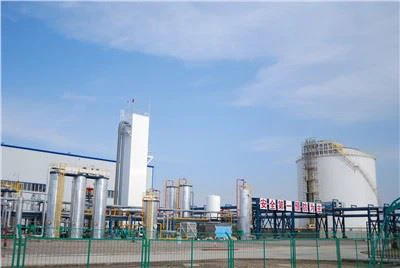
As a supplier of Oxygen Liquefiers, I understand the critical importance of explosion - prevention measures. Oxygen liquefiers are complex pieces of equipment that are used to convert gaseous oxygen into its liquid state. This process involves handling highly reactive substances under specific temperature and pressure conditions, which inherently carry explosion risks. In this blog, I will delve into the various explosion - prevention measures for an Oxygen Liquefier.
Understanding the Explosion Risks in Oxygen Liquefiers
Before discussing prevention measures, it is essential to understand the potential explosion risks. Oxygen is a powerful oxidizer. When it comes into contact with combustible materials, even in small amounts, it can significantly increase the likelihood of ignition and explosion. In an oxygen liquefier, there are several scenarios where this risk can materialize.
One common risk factor is the presence of flammable contaminants. If the incoming air contains hydrocarbons such as methane, propane, or other organic compounds, these can accumulate in the liquefier. At low temperatures and high pressures, these contaminants can react violently with oxygen, leading to an explosion.
Another risk is related to the mechanical aspects of the liquefier. Leaks in the system can allow oxygen to escape and mix with the surrounding air. If there is an ignition source nearby, such as a spark from electrical equipment or a hot surface, an explosion can occur. Additionally, improper operation, such as over - pressurization or incorrect temperature control, can also trigger an explosion.
Design - Based Explosion - Prevention Measures
Material Selection
The choice of materials for constructing an Oxygen Liquefier is crucial. All components that come into contact with oxygen must be made of non - combustible and non - reactive materials. Stainless steel is a popular choice due to its high resistance to oxidation and corrosion. It can withstand the harsh conditions inside the liquefier without reacting with oxygen.
For gaskets and seals, materials like PTFE (Polytetrafluoroethylene) are used. PTFE is non - flammable and has excellent chemical resistance, ensuring that there are no leaks that could lead to oxygen - fuel mixtures.
Safety Valves and Pressure Relief Devices
Safety valves are an integral part of an Oxygen Liquefier's design. These valves are set to open at a predetermined pressure, releasing excess pressure from the system. This prevents over - pressurization, which is a major cause of explosions. Pressure relief devices are also installed to ensure that in case of a sudden pressure spike, the system can safely vent the excess oxygen.
Purification Systems
To remove flammable contaminants from the incoming air, purification systems are installed. These systems typically use adsorption beds filled with activated carbon or molecular sieves. These materials can selectively adsorb hydrocarbons and other impurities, reducing the risk of explosion. For example, molecular sieves can trap small hydrocarbon molecules based on their size and shape, preventing them from entering the liquefaction process.


Operational Explosion - Prevention Measures
Operator Training
Proper training of operators is essential for the safe operation of an Oxygen Liquefier. Operators should be well - versed in the equipment's operation, including starting, stopping, and monitoring procedures. They should also be trained to recognize the signs of potential problems, such as abnormal pressure or temperature readings.
Regular training sessions should be conducted to keep operators updated on the latest safety protocols. Emergency response training is also crucial, so that operators know how to react in case of an explosion or other safety incidents.
Monitoring and Control
Continuous monitoring of the liquefier's parameters is necessary to ensure safe operation. Temperature, pressure, and flow rate sensors are installed throughout the system. These sensors send real - time data to a control room, where operators can monitor the system's performance. If any parameter goes out of the normal range, alarms are triggered, and operators can take corrective actions immediately.
Automated control systems can also be used to maintain the optimal operating conditions of the liquefier. These systems can adjust the flow of oxygen, refrigerant, and other fluids based on the monitored parameters, reducing the risk of human error.
Maintenance and Inspection
Regular maintenance and inspection of the Oxygen Liquefier are vital for explosion prevention. Components such as valves, pipes, and seals should be inspected for wear and tear, leaks, and corrosion. Any damaged or worn - out parts should be replaced immediately.
Scheduled maintenance tasks, such as cleaning the purification systems and checking the integrity of the safety valves, should be carried out according to the manufacturer's recommendations. This helps to ensure that the liquefier is in good working condition and reduces the risk of explosion.
Environmental Explosion - Prevention Measures
Location and Ventilation
The location of the Oxygen Liquefier is an important consideration. It should be installed in a well - ventilated area, away from potential ignition sources such as open flames, electrical equipment with spark - generating components, and heat sources. Adequate ventilation helps to disperse any leaked oxygen, reducing the risk of an oxygen - rich atmosphere that could support combustion.
Fire - Fighting Equipment
Fire - fighting equipment should be readily available in the vicinity of the liquefier. This includes fire extinguishers suitable for oxygen - related fires, such as dry chemical extinguishers. Sprinkler systems can also be installed to suppress fires in case of an emergency.
Additional Considerations
In addition to the above measures, it is also important to have a comprehensive safety management system in place. This system should include safety policies, procedures, and emergency response plans. Regular safety audits should be conducted to ensure compliance with safety standards.
If you are interested in our Oxygen Liquefier, we also offer Nitrogen Liquefier and Oxygen and Nitrogen Liquefier options. Our products are designed with the highest safety standards in mind and are backed by our expertise in the field. If you have any questions or would like to discuss your specific requirements, please feel free to contact us for a procurement discussion.
References
- Perry, R. H., & Green, D. W. (1997). Perry's Chemical Engineers' Handbook. McGraw - Hill.
- API Recommended Practice 521, Pressure - Relieving and Depressuring Systems, American Petroleum Institute.
- NFPA 53, Standard for the Design and Installation of Oxygen - Fuel Gas Systems for Welding, Cutting, and Allied Processes, National Fire Protection Association.