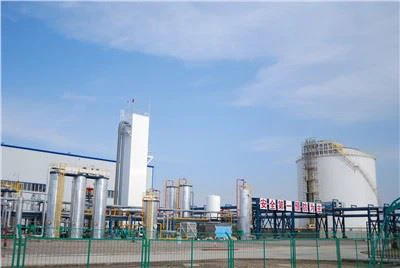
What are the installation requirements for an Oxygen Liquefier?
As a trusted supplier of oxygen liquefiers, I understand the importance of a successful installation process. Installing an oxygen liquefier is a complex task that requires careful planning, proper infrastructure, and adherence to safety standards. In this blog post, I will delve into the key installation requirements for an oxygen liquefier, providing you with the essential information you need to ensure a smooth and efficient setup.
Site Selection and Preparation
The first step in installing an oxygen liquefier is selecting an appropriate site. The site should be large enough to accommodate the liquefier unit, associated equipment, and provide sufficient space for maintenance and future expansion. It is crucial to choose a location that is well-ventilated to prevent the accumulation of oxygen, which can pose a significant safety risk. Additionally, the site should be away from potential sources of ignition, such as open flames, electrical equipment, and combustible materials.
The ground at the installation site must be level and stable to support the weight of the liquefier and its ancillary components. A concrete foundation is often recommended to provide a solid base and minimize vibration. Before installation, the site should be thoroughly cleaned and free of any debris or contaminants that could interfere with the installation process or damage the equipment.
Electrical Requirements
Oxygen liquefiers require a reliable electrical supply to operate effectively. The electrical system should be designed to meet the specific power requirements of the liquefier, including the compressor, refrigeration system, and control panel. It is essential to consult with a qualified electrical engineer to ensure that the electrical installation complies with all relevant codes and standards.


The electrical supply should be properly grounded to prevent electrical shocks and protect the equipment from electrical surges. A dedicated electrical circuit may be required to ensure a stable power supply and prevent overloading of the electrical system. Additionally, all electrical connections should be securely fastened and insulated to prevent short circuits and other electrical hazards.
Water Supply and Drainage
Many oxygen liquefiers use water for cooling purposes. Therefore, a reliable water supply is essential for the proper operation of the liquefier. The water source should have adequate pressure and flow rate to meet the cooling requirements of the system. It is important to ensure that the water is clean and free of contaminants that could damage the cooling system or cause blockages.
A proper drainage system is also necessary to remove the waste water generated during the cooling process. The drainage system should be designed to prevent the accumulation of water around the liquefier, which can lead to corrosion and other problems. It is recommended to install a drain trap to prevent the backflow of sewage or other contaminants into the cooling system.
Ventilation System
As mentioned earlier, proper ventilation is crucial for the safe operation of an oxygen liquefier. Oxygen is a highly reactive gas that can support combustion, and the accumulation of oxygen in an enclosed space can create a significant fire hazard. Therefore, a well-designed ventilation system is required to ensure the continuous removal of oxygen from the installation area.
The ventilation system should be capable of providing a sufficient volume of fresh air to dilute any oxygen that may escape from the liquefier. It should be designed to direct the exhaust air away from the intake of the ventilation system and any potential sources of ignition. Additionally, the ventilation system should be equipped with appropriate sensors and alarms to detect any abnormal levels of oxygen and alert the operators.
Safety Equipment and Measures
Safety is of utmost importance when installing and operating an oxygen liquefier. A comprehensive set of safety equipment and measures should be in place to protect the personnel and the environment. This includes the installation of fire suppression systems, such as sprinklers and fire extinguishers, to prevent and control fires in the event of an emergency.
Gas detectors should be installed in strategic locations to monitor the levels of oxygen and other gases in the installation area. These detectors can trigger alarms and alert the operators if the gas levels exceed the safe limits. Additionally, personal protective equipment (PPE), such as safety glasses, gloves, and respirators, should be provided to the operators to protect them from potential hazards.
It is also important to develop and implement a safety training program for all personnel involved in the installation and operation of the oxygen liquefier. The training program should cover the safe handling of oxygen, the operation of the equipment, and the emergency procedures in case of an accident or malfunction.
Installation and Commissioning
Once the site is prepared and all the necessary infrastructure is in place, the installation of the oxygen liquefier can begin. The installation process should be carried out by qualified technicians who are familiar with the specific requirements of the liquefier. They should follow the manufacturer's installation instructions carefully to ensure that the equipment is installed correctly and safely.
After the installation is complete, the liquefier should undergo a thorough commissioning process to ensure that it is operating properly. This includes testing all the components of the system, checking the electrical connections, and verifying the performance of the refrigeration and control systems. The commissioning process may also involve running the liquefier at different operating conditions to ensure that it can meet the required production capacity.
Maintenance and Support
Regular maintenance is essential to ensure the long-term reliability and performance of the oxygen liquefier. A maintenance schedule should be established based on the manufacturer's recommendations and the specific operating conditions of the liquefier. The maintenance tasks may include cleaning and inspecting the equipment, replacing filters and lubricants, and calibrating the sensors and control systems.
As a supplier of oxygen liquefiers, we offer comprehensive maintenance and support services to our customers. Our team of experienced technicians is available to provide on-site maintenance, troubleshooting, and repair services. We also stock a wide range of spare parts to ensure quick and efficient replacement in case of any component failure.
Contact for Purchase and Consultation
If you are considering purchasing an oxygen liquefier, we are here to assist you. Our company offers high-quality Oxygen Liquefier that are designed to meet the specific needs of various industries. We also provide Oxygen and Nitrogen Liquefier and Nitrogen Liquefier for your diverse requirements.
Contact us today to discuss your specific needs and get a detailed quote. Our team of experts will be happy to answer all your questions and guide you through the purchase process. We look forward to partnering with you to provide the best solution for your oxygen liquefaction needs.
References
- ASME Boiler and Pressure Vessel Code
- NFPA 55 - Compressed Gases and Cryogenic Fluids Code
- Manufacturer's installation and operation manuals