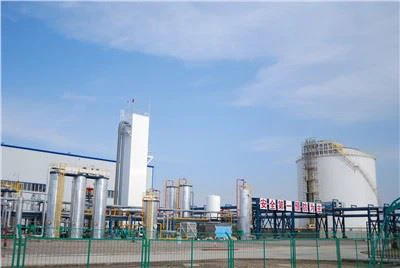
Argon, a noble gas that makes up approximately 0.934% of the Earth's atmosphere, may not be the first element that comes to mind when considering the paper production process. However, it plays a significant and multifaceted role in various stages of paper manufacturing. As an argon supplier, I am excited to delve into the details of how argon contributes to the efficiency, quality, and sustainability of paper production.
1. The Basics of Paper Production
Before we explore the role of argon, let's briefly review the standard paper production process. It generally involves several key steps: pulping, where wood chips or other fibrous materials are broken down into pulp; bleaching, to whiten the pulp; papermaking, where the pulp is formed into sheets on a wire screen and pressed to remove water; and finishing, which may include coating, calendering, and cutting.
2. Argon in Pulping
2.1 Inert Atmosphere Creation
During the pulping process, especially in chemical pulping methods like the kraft process, the use of argon can be beneficial for creating an inert atmosphere. Chemical pulping involves the use of strong chemicals, such as sodium hydroxide and sodium sulfide, to break down the lignin in wood fibers. These chemicals are highly reactive and can react with oxygen in the air, leading to unwanted side reactions and the degradation of the pulp quality.
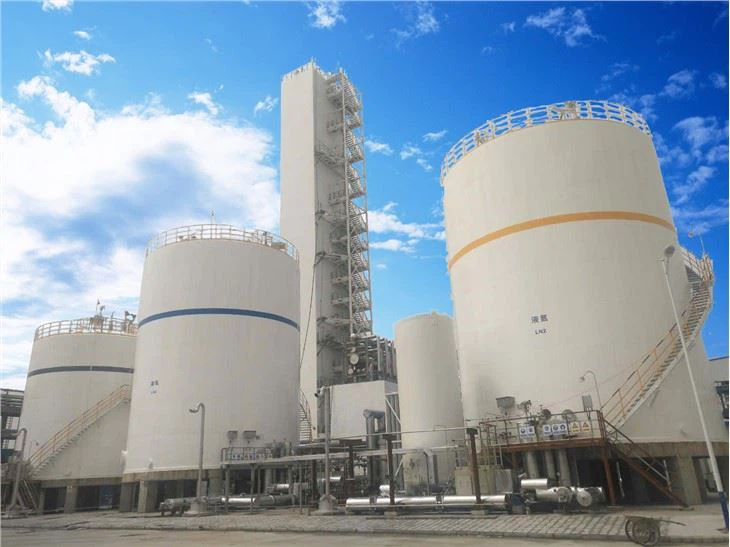
By introducing argon into the pulping environment, we can displace oxygen and create an inert atmosphere. This helps to prevent oxidation reactions, ensuring that the chemicals in the pulping process work more effectively and that the pulp retains its strength and quality. For example, in a large - scale pulping operation, argon can be supplied from a Large Liquid Air Separation Plant, which can produce a large quantity of high - purity argon.
2.2 Protecting Equipment
Argon also helps protect the equipment used in the pulping process. The reactive chemicals in pulping can cause corrosion and damage to the metal components of the pulping machinery. An argon - filled environment reduces the presence of oxygen, which is a key factor in corrosion. This extends the lifespan of the equipment, reduces maintenance costs, and ensures the smooth operation of the pulping process.
3. Argon in Bleaching
3.1 Improving Bleaching Efficiency
Bleaching is an important step in paper production to achieve the desired level of whiteness. Traditional bleaching agents, such as chlorine - based compounds, can have negative environmental impacts. In recent years, there has been a shift towards more environmentally friendly bleaching methods, such as oxygen and hydrogen peroxide bleaching.
Argon can be used to enhance the efficiency of these bleaching processes. By creating an argon - enriched atmosphere, the reactivity of the bleaching agents can be optimized. Argon can help to disperse the bleaching agents more evenly in the pulp, ensuring that all the fibers are exposed to the bleaching agents uniformly. This leads to a more efficient bleaching process, reducing the amount of bleaching agents required and saving costs.

3.2 Reducing Environmental Impact
As an inert gas, argon does not participate in chemical reactions in the bleaching process, which means it does not contribute to environmental pollution. Using argon in bleaching can help paper manufacturers meet environmental regulations and reduce their carbon footprint. For smaller paper mills, Small Liquid Air Separation Plant can provide a cost - effective solution for argon supply.
4. Argon in Papermaking
4.1 Preventing Fiber Oxidation
During the papermaking process, the pulp is formed into sheets on a wire screen and then pressed to remove water. At this stage, the pulp fibers are still exposed to the air, and oxidation can occur. Oxidation can weaken the fibers, leading to a decrease in the strength and quality of the paper.
Argon can be introduced into the papermaking environment to prevent fiber oxidation. By maintaining a low - oxygen atmosphere, the argon helps to preserve the integrity of the pulp fibers. This results in paper with better strength, durability, and printability.
4.2 Controlling the Drying Process
The drying of the paper sheets is a crucial step in papermaking. Argon can be used to control the drying process by adjusting the heat transfer and humidity in the drying section. In an argon - enriched environment, the heat transfer properties can be optimized, allowing for more efficient drying of the paper. This reduces the energy consumption and time required for drying, improving the overall productivity of the papermaking process. For small - scale or specialized papermaking operations, Mini Liquid Air Separation Plant can be a practical choice for argon supply.
5. Argon in Finishing
5.1 Protecting Paper Quality in Storage
After the paper is produced, it often needs to be stored for a period before being used. During storage, the paper can be affected by factors such as humidity, temperature, and oxygen. Argon can be used to create a protective atmosphere in the storage facilities. By filling the storage containers or warehouses with argon, the paper is protected from oxidation and moisture, ensuring that its quality is maintained over time.
5.2 Enhancing Coating Processes
In some cases, paper may undergo coating processes to improve its appearance, printability, or other properties. Argon can be used in the coating process to ensure a more uniform and high - quality coating. It helps to prevent the oxidation of the coating materials and provides a stable environment for the coating to adhere to the paper surface.
6. Conclusion and Call to Action
In conclusion, argon plays a vital and diverse role in the production of paper. From pulping to finishing, it contributes to the efficiency, quality, and sustainability of the entire paper manufacturing process. As an argon supplier, we are committed to providing high - quality argon products to meet the specific needs of paper manufacturers.
Whether you are a large - scale paper mill or a small - scale specialty paper producer, we have the right argon supply solution for you. Our liquid air separation plants, including Large Liquid Air Separation Plant, Small Liquid Air Separation Plant, and Mini Liquid Air Separation Plant, can produce argon of different quantities and purities to fit your requirements.
If you are interested in learning more about how argon can benefit your paper production process or are looking to discuss a potential argon supply contract, we invite you to reach out to us. Our team of experts is ready to provide you with detailed information, technical support, and customized solutions.
References
- "Paper Chemistry and Technology" by Norman S. Allen and Carlos Alberto Hermosilla.
- "Handbook of Pulp and Paper Technology" edited by Carl-Eric Fellers.
- Research papers on industrial gas applications in the paper manufacturing industry from relevant scientific journals.