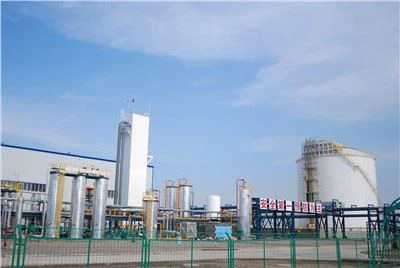
Hey there! As a supplier in the N2 recycle business, I've seen firsthand the ins and outs of nitrogen - recycling projects. Today, I'm gonna chat about the impacts of N2 recycle on the investment in these projects.
First off, let's talk about what N2 recycle is. Nitrogen is a key component in many industrial processes, and recycling it can have some serious benefits. But when it comes to investing in a nitrogen - recycling project, there are a bunch of factors to consider.
One of the biggest impacts of N2 recycle on investment is the initial capital outlay. Setting up a nitrogen - recycling system isn't cheap. You need to buy the equipment for separating, purifying, and recycling the nitrogen. This includes things like compressors, filters, and storage tanks. The cost of these can vary depending on the scale of your project. For smaller operations, you might be able to get away with a less - complex system, but for larger industrial plants, the equipment can be quite expensive.
However, the long - term savings can offset this initial investment. When you recycle nitrogen, you reduce your need to buy fresh nitrogen from suppliers. Buying nitrogen can be a significant expense over time, especially for industries that use large amounts of it. For example, in the chemical and pharmaceutical industries, nitrogen is often used as an inert gas to prevent oxidation and contamination. By recycling nitrogen, these industries can cut down on their raw material costs.
Another aspect to consider is the impact on operational costs. A well - designed N2 recycle system can actually reduce energy consumption. The equipment used in nitrogen recycling is becoming more energy - efficient. For instance, modern compressors use advanced technologies that require less power to operate. This means that not only are you saving on the cost of nitrogen, but you're also reducing your energy bills. In the long run, this can lead to substantial savings, which makes the investment in a nitrogen - recycling project more attractive.
Now, let's touch on the environmental impact. In today's world, environmental regulations are getting stricter, and companies are under more pressure to reduce their carbon footprint. Recycling nitrogen is a great way to do this. By reducing the need to produce new nitrogen, which often involves energy - intensive processes, you're helping to conserve resources and reduce greenhouse gas emissions. Some governments even offer incentives for companies that invest in environmentally friendly technologies. These incentives can come in the form of tax breaks or grants, which can significantly reduce the overall investment required for a nitrogen - recycling project.
But it's not all smooth sailing. There are some challenges that can affect the investment in N2 recycle projects. One of the main challenges is the complexity of the technology. Nitrogen recycling requires a good understanding of the separation and purification processes. If your staff isn't well - trained, it can lead to inefficiencies and higher maintenance costs. Training your employees to operate and maintain the recycling equipment properly is an additional cost that you need to factor into your investment.
Another challenge is the reliability of the system. A nitrogen - recycling system needs to be up and running consistently to provide a reliable supply of recycled nitrogen. Any downtime can disrupt your production processes and lead to additional costs. This means you need to invest in high - quality equipment and have a good maintenance plan in place.
Now, I want to mention some related technologies that might be of interest. If you're in the natural gas industry, you might want to check out Small Scale Lng Regasification. This technology can be useful for handling small - scale natural gas supplies. Also, Mini Scale LNG Regasification Station/natural Gas Liquefication and Small Scale Lng are worth exploring as they can offer alternative solutions for your gas - related needs.
So, if you're thinking about investing in a nitrogen - recycling project, it's important to weigh the pros and cons. On one hand, there are significant long - term savings, environmental benefits, and potential government incentives. On the other hand, there are initial capital costs, training requirements, and the need for reliable equipment.
If you're interested in learning more about how N2 recycle can work for your business or if you want to discuss a potential project, don't hesitate to reach out. I'm here to help you make the best decision for your company's investment. Whether you're a small business or a large industrial player, I've got the expertise and the products to support your nitrogen - recycling needs.


In conclusion, the impacts of N2 recycle on the investment in nitrogen - recycling projects are multi - faceted. It's not just about the money you spend upfront; it's about the long - term savings, environmental benefits, and the overall sustainability of your operations. With the right approach and the right equipment, investing in a nitrogen - recycling project can be a smart move for your business.
References:
- Industry reports on nitrogen recycling and related technologies
- Case studies of companies that have implemented nitrogen - recycling projects