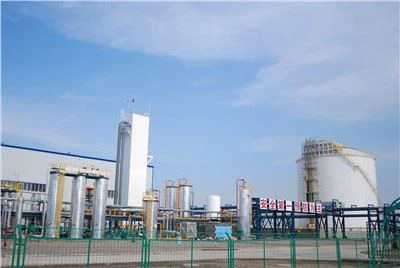
Which industrial gases are used in the food industry?
As an industrial gas supplier deeply entrenched in the food industry, I've witnessed firsthand how industrial gases play a pivotal role in various food - related processes. These gases are not only crucial for maintaining the quality and safety of food products but also have a substantial impact on the efficiency of food production. This article will delve into the key industrial gases used in the food industry, their applications, and why they are indispensable.
Nitrogen
Nitrogen is one of the most widely used industrial gases in the food industry. It is an inert gas, which means it does not react easily with other substances. This property makes it highly suitable for preserving food quality.
In the food packaging process, nitrogen is commonly used for Modified Atmosphere Packaging (MAP). The basic principle of MAP is to replace the air inside the food package with a specific gas mixture. Usually, nitrogen is used to displace oxygen. Oxygen can cause food to oxidize, which leads to the loss of flavor, color, and nutritional value, and can also promote the growth of aerobic microorganisms. By filling the package with nitrogen, the presence of oxygen is minimized, thus extending the shelf - life of the food. For example, snacks like potato chips are often packaged in a nitrogen - rich environment. This not only helps to preserve the freshness and crunchiness of the chips but also gives the package a puffed - up appearance, protecting the chips from being crushed during transportation.
Nitrogen is also used in the food freezing process. Liquid nitrogen, with a boiling point of approximately - 196°C, can rapidly freeze food. This quick - freezing method helps to preserve the cell structure of the food, reducing the formation of large ice crystals. As a result, the texture and taste of the food are better maintained after thawing. Many high - end food manufacturers use liquid nitrogen to freeze products such as fresh seafood, fruits, and vegetables.
Carbon Dioxide
Carbon dioxide has multiple applications in the food industry. One of its primary uses is in carbonated beverages. When carbon dioxide is dissolved in water under pressure, it forms carbonic acid, which gives the beverage its characteristic fizziness and tangy taste. The amount of carbon dioxide dissolved in the beverage affects its mouthfeel and flavor. Different types of carbonated drinks, such as cola, sparkling water, and beer, require specific levels of carbonation to achieve the desired taste.
In addition to beverages, carbon dioxide is also used in the food storage and transportation process. It can act as a preservative by inhibiting the growth of certain microorganisms. For example, in large - scale food warehouses or refrigerated trucks, carbon dioxide can be added to the storage environment to create an atmosphere that slows down the spoilage of fresh produce, meat, and dairy products. However, it is important to control the concentration of carbon dioxide carefully, as excessive amounts can have an adverse effect on the quality of some foods.
Oxygen
Although oxygen is often the enemy of food preservation due to its role in oxidation, it also has its place in the food industry. In some cases, a small amount of oxygen is necessary for the proper functioning of certain food processes.
For example, in the baking industry, oxygen is required for the fermentation process. Yeast, a key ingredient in bread - making, needs oxygen to carry out aerobic respiration during the initial stages of fermentation. This process helps the dough to rise properly and develop a good texture. However, once the bread is baked, steps are usually taken to minimize its exposure to oxygen to prevent staling.
Oxygen is also used in the modification of some food products, such as making certain types of cheese. Some cheese - making processes require the presence of oxygen to support the growth of specific bacteria and fungi, which are responsible for the unique flavors and textures of the cheese.
Argon
Argon is another inert gas that is increasingly being used in the food industry, especially for high - end and sensitive food products. It is heavier than air and can be used to create a protective atmosphere in food storage and packaging.
In the wine industry, argon is used to prevent the oxidation of wine. When a bottle of wine is opened and not fully consumed, residual oxygen in the bottle can cause the wine to spoil. By filling the headspace of the bottle with argon, the oxygen is displaced, and the wine's flavor and aroma can be preserved for a longer period. Some high - end restaurants and wine enthusiasts use argon - based wine preservation systems to keep opened bottles of wine fresh.
Hydrogen
Hydrogen is a relatively new entrant in the food industry, but it shows promise in certain applications. It can be used as a reducing agent in some food processing operations. For example, in the oil - hydrogenation process, hydrogen is used to convert unsaturated fats into more saturated forms. This process can improve the stability and shelf - life of oils and fats. However, it is important to note that the over - hydrogenation of fats can lead to the formation of trans - fats, which are considered unhealthy. Therefore, the use of hydrogen in this process requires careful control.
Our Offerings as an Industrial Gas Supplier
As an industrial gas supplier, we are committed to providing high - quality industrial gases for the food industry. We offer a wide range of gas production and supply solutions to meet the diverse needs of our customers.
For large - scale food production facilities, we recommend our Large Liquid Air Separation Plant. This plant is capable of producing a large volume of nitrogen, oxygen, and argon with high purity, ensuring a stable and continuous supply of gases for your production line.
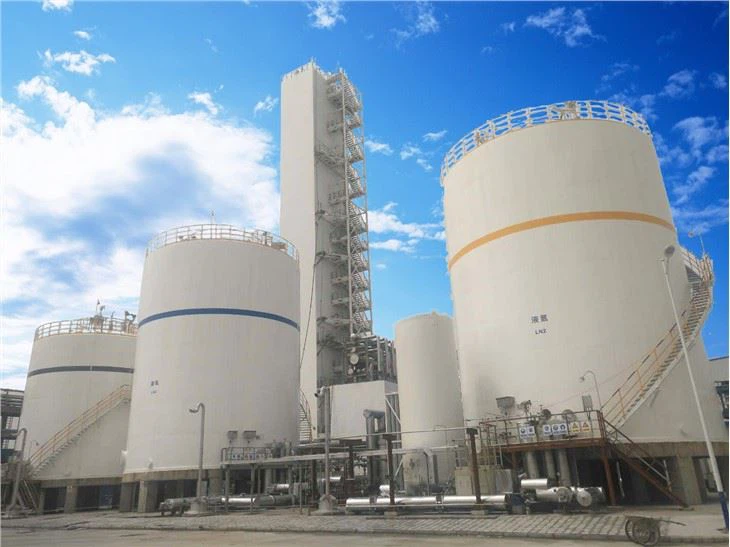

If you are a small or medium - sized food business, our Mini Liquid Air Separation Plant and Medium Liquid Air Separation Plant are more suitable options. These plants are compact, energy - efficient, and can be customized to fit your specific production requirements.
Contact Us for Procurement and Consultation
If you are in the food industry and looking for a reliable industrial gas supplier, we are here to help. Our team of experts has years of experience in the field and can provide you with professional advice on gas selection, system design, and operation. Whether you need a large - scale gas supply or a customized solution for a specific food process, we have the knowledge and resources to meet your needs.
Do not hesitate to contact us for procurement and further discussion. We believe that our partnership can bring significant benefits to your food business, ensuring the quality and safety of your products while optimizing your production efficiency.
References
- Fellows, P. J. (2009). Food Processing Technology: Principles and Practice. CRC Press.
- Potter, N. N., & Hotchkiss, J. H. (1995). Food Science. Chapman & Hall.
- Heldman, D. R., & Lund, D. B. (Eds.). (2007). Handbook of Food Engineering. CRC Press.