What are the safety precautions when handling oxygen?
Yo, folks! I'm an oxygen supplier, and let me tell you, dealing with oxygen can be a real game - changer in many industries, but it's also super important to do it right and stay safe. Oxygen is such a vital element, used in everything from medical settings to industrial manufacturing. But it's not without its risks, so we need to take precautions.
First off, oxygen is an oxidizer. That means it can make fire burn way faster and more intensely. You know how a little spark can turn into a big flame when there's enough oxygen around? Well, that's the thing we've gotta watch out for.
When it comes to storage, you've got to be meticulous. You should keep oxygen cylinders away from any heat sources. That includes heaters, open flames, and even electrical equipment that can generate a lot of heat. I've seen some close - calls where a cylinder was placed too near a hot machine, and it could've been a disaster. Also, make sure the storage area is well - ventilated. If there's a leak, the oxygen can build up, and that's a major fire hazard.
Now, let's talk about handling the cylinders themselves. When you're moving them, don't drag or roll them roughly. Use a proper cart designed for cylinder transportation. I've seen people just yank the cylinders around, and it can damage the valves or the casing. And always keep the valve protection cap on when the cylinder isn't in use. This helps protect the valve from getting damaged, which could lead to a leak.
Another key point is about personal protective equipment (PPE). When you're working with oxygen, wear the right gear. Safety glasses are a must to protect your eyes from any flying debris or potential splashes. Gloves are also important, especially if you're going to be handling the cylinders directly. They protect your hands from cold burns, as oxygen cylinders can get pretty cold when the gas is being released.
And here's something that's often overlooked: make sure your work area is clean. Remove any oil, grease, or flammable materials. Oxygen and these substances don't mix well. A small amount of oil can ignite very easily in an oxygen - rich environment. I once saw a small oil spill near an oxygen line, and it could've turned into a huge fire if it wasn't caught in time.
If you're using oxygen in a medical setting, there are additional precautions. You need to ensure that the equipment is properly maintained. Check the hoses, masks, and regulators regularly for any signs of wear and tear. A leaky hose in a hospital setting can be extremely dangerous, not just because of the fire risk but also because it can affect the patient's oxygen supply.
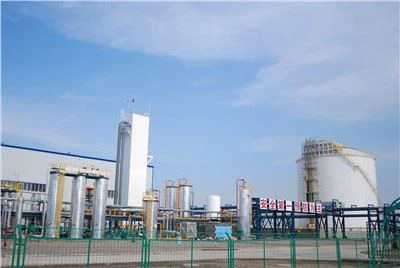
Now, let's touch on the different types of air separation plants that we use to produce oxygen. We've got Medium Gaseous Air Separation Plant, Small Gaseous Air Separation Plant, and Large Gaseous Air Separation Plant. Each of these has its own set of safety requirements.
For small plants, the focus is on making sure that all the components are properly installed and maintained. Since they're often used in smaller facilities, the space might be more limited, so proper ventilation and clearance around the equipment are crucial.


Medium - sized plants usually require more complex monitoring systems. You need to keep an eye on the pressure, temperature, and purity of the oxygen being produced. Any deviation from the normal parameters can indicate a problem, and it's important to address it right away.
Large plants are the big boys. They have a high - volume production, which means the risks are also greater. Safety protocols here are even more strict. Regular inspections, emergency response plans, and trained personnel are essential.
When it comes to using oxygen in welding or cutting operations, there are some specific safety rules. First, make sure the oxygen and fuel gas cylinders are separated. They should be stored at least 20 feet apart, or separated by a non - combustible barrier that's at least 5 feet high. This prevents any potential cross - contamination or accidental ignition.
Also, before you start using the oxygen torch, do a thorough check of the equipment. Make sure the valves are working properly, the hoses are not kinked or damaged, and the pressure gauges are accurate. And always follow the manufacturer's instructions for setting the correct pressure for the torch.
If you're going to be working in an area where there's a risk of oxygen enrichment, use an oxygen monitor. This device can detect if the oxygen levels in the air are higher than normal. If it detects a dangerous level, you can take immediate action, like evacuating the area and fixing the source of the leak.
In case of an emergency, like a fire or a major oxygen leak, you need to have a well - thought - out plan. Everyone in the facility should know where the emergency exits are, how to shut off the oxygen supply, and how to use the fire extinguishers. Fire extinguishers should be the right type for an oxygen - related fire, and they should be easily accessible.
Well, that's a whole bunch of safety precautions when handling oxygen. It might seem like a lot, but it's all about keeping you, your team, and your facility safe. If you're in the market for oxygen or any of our separation plants, don't hesitate to reach out for a chat about your needs and how we can help you meet your safety and production goals.
References
- Safety Guidelines for Oxygen Handling in Industrial Settings. Hazardous Gas Safety Association.
- Medical Oxygen Equipment Maintenance. Healthcare Equipment Safety Institute.
- Air Separation Plant Operations Manuals. Industry - standard publications for air separation technology.