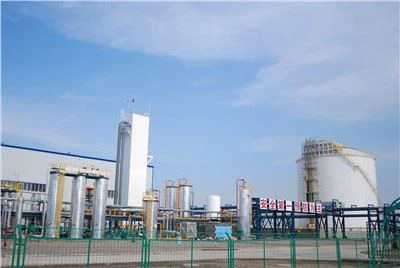
As a small-scale LNG supplier, I've had the privilege of witnessing firsthand the growing interest in this energy source. One of the most common questions I get is about how small-scale LNG stacks up against other energy sources in terms of energy efficiency. So, let's dive right in and explore the differences.
Energy Efficiency Defined
Before we compare small-scale LNG to other energy sources, it's important to understand what energy efficiency means. Simply put, energy efficiency is the ratio of useful energy output to the total energy input. In other words, it's about getting the most bang for your buck. The higher the energy efficiency, the less energy is wasted during the conversion process.
Small Scale LNG: A Primer
Small scale LNG refers to the liquefaction, storage, and distribution of natural gas in quantities smaller than those associated with large-scale LNG projects. There are different types of small scale LNG production technologies, such as Double Expander N2 Small Scale LNG and Mixed Refrigerant Small Scale LNG. These technologies are designed to be more flexible and suitable for a variety of applications, including off-grid power generation, transportation, and industrial use.
One of the key advantages of small scale LNG is its high energy density. When natural gas is liquefied, it shrinks to about 1/600th of its original volume, making it much easier to store and transport. This means that you can get a lot of energy in a relatively small space, which is great for applications where space is limited.
Comparing Small Scale LNG to Other Energy Sources
Coal
Coal has been a major energy source for centuries, but it's also one of the least energy-efficient and most polluting. When coal is burned to generate electricity, a significant amount of energy is lost in the form of heat. In fact, the average efficiency of coal-fired power plants is around 33%, which means that two-thirds of the energy in the coal is wasted.
On the other hand, small scale LNG can be used in highly efficient combined cycle power plants, which can achieve efficiencies of up to 60%. This means that you can generate more electricity with less fuel, which is not only better for the environment but also more cost-effective in the long run.
Oil
Oil is another widely used energy source, especially in the transportation sector. However, like coal, oil combustion is relatively inefficient. The efficiency of internal combustion engines, which are commonly used in cars and trucks, ranges from 20% to 35%. This means that most of the energy in the fuel is lost as heat or used to overcome friction.
Small scale LNG can be used as a cleaner and more efficient alternative to oil in transportation. LNG-powered vehicles typically have higher fuel efficiency and lower emissions compared to their gasoline or diesel counterparts. In addition, the energy density of LNG allows for longer driving ranges without the need for frequent refueling.
Renewable Energy Sources
Renewable energy sources, such as solar and wind, are becoming increasingly popular due to their environmental benefits. However, they also have some limitations in terms of energy efficiency and reliability. Solar panels and wind turbines are only able to generate electricity when the sun is shining or the wind is blowing, which means that they need to be paired with energy storage systems to provide a consistent supply of power.


Small scale LNG can complement renewable energy sources by providing a reliable backup power source. In addition, LNG can be used in combined heat and power (CHP) systems, which can achieve high overall energy efficiencies by using the waste heat from power generation for heating or cooling purposes.
Other Factors Affecting Energy Efficiency
In addition to the energy source itself, there are other factors that can affect the energy efficiency of a system. These include the technology used, the maintenance of the equipment, and the operating conditions.
For example, the efficiency of a small scale LNG production plant can be affected by the type of liquefaction technology used. Some technologies are more energy-intensive than others, so it's important to choose the right technology for your specific application. Regular maintenance of the equipment is also crucial to ensure that it operates at peak efficiency. Faulty equipment can lead to energy losses and increased operating costs.
Why Choose Small Scale LNG for Energy Efficiency
There are several reasons why small scale LNG is a great choice for energy efficiency. First, as we've already discussed, it has a high energy density, which means that you can get more energy in a smaller space. This makes it ideal for applications where space is limited, such as in remote areas or on ships.
Second, small scale LNG can be used in a variety of highly efficient technologies, such as combined cycle power plants and CHP systems. These technologies allow you to generate more energy with less fuel, which reduces your energy costs and your environmental impact.
Finally, small scale LNG is a flexible energy source that can be easily transported and stored. This means that you can use it when and where you need it, which is important for ensuring a reliable supply of energy.
Connect and Explore Small Scale LNG with Us
If you're interested in learning more about small scale LNG and how it can improve your energy efficiency, I'd love to hear from you. Whether you're in the transportation industry, looking for an off-grid power solution, or an industrial operation aiming to cut costs and emissions, small scale LNG could be the answer.
Get in touch to start a conversation about your specific energy needs. We can explore the most suitable small scale LNG options for you, discuss potential cost savings, and answer any questions you might have. Let's work together to make your energy usage more efficient and sustainable.
References
- Natural Gas Vehicles for America. (2023). The Benefits of Natural Gas Vehicles.
- International Energy Agency. (2023). Natural Gas Information.
- U.S. Energy Information Administration. (2023). Coal Data: Analysis and Projections.