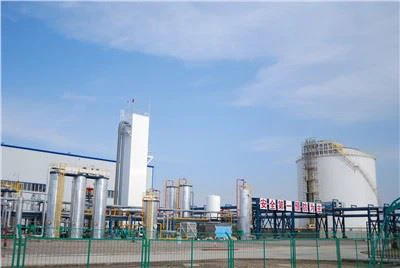
As a medium-scale LNG (Liquefied Natural Gas) supplier, I've witnessed firsthand the growing demand for LNG in various sectors, from industrial applications to transportation. Medium-scale LNG distribution is a crucial link in the energy supply chain, bridging the gap between large-scale LNG projects and small-scale end-users. In this blog post, I'll delve into the infrastructure requirements for medium-scale LNG distribution, exploring the key components and considerations that ensure a reliable and efficient supply of this clean and versatile energy source.
Liquefaction Facilities
The first step in medium-scale LNG distribution is the liquefaction of natural gas. Liquefaction is the process of cooling natural gas to approximately -162°C (-260°F), at which point it becomes a liquid, reducing its volume by about 600 times. This makes it more economical to store and transport.
There are two main types of liquefaction technologies commonly used in medium-scale applications: the DMR (Dual Mixed Refrigerant) and SMR (Single Mixed Refrigerant) processes. The DMR Medium Scale LNG process uses two different refrigerant mixtures to achieve liquefaction, offering high efficiency and flexibility. On the other hand, the SMR Medium Scale LNG process simplifies the liquefaction process by using a single refrigerant mixture, resulting in a more compact and cost-effective design.
When selecting a liquefaction technology, several factors need to be considered, including the feed gas composition, production capacity, and operating conditions. Additionally, the location of the liquefaction facility is crucial, as it should be close to the natural gas source to minimize transportation costs and ensure a stable supply of feed gas.
Storage Tanks
Once the natural gas is liquefied, it needs to be stored in specialized tanks designed to maintain the low temperature and pressure required to keep the LNG in its liquid state. Medium-scale LNG storage tanks are typically made of high-strength steel and are insulated to minimize heat transfer and prevent the LNG from vaporizing.
There are two main types of LNG storage tanks: above-ground and underground. Above-ground tanks are more common in medium-scale applications due to their lower cost and easier installation. They can be either single-wall or double-wall tanks, with double-wall tanks providing an additional layer of protection against leaks and spills.
Underground tanks, on the other hand, offer better protection against external hazards such as fire and explosion. They are also more suitable for areas with limited space or strict environmental regulations. However, underground tanks are more expensive to install and require more complex construction techniques.
The capacity of the storage tanks depends on the production capacity of the liquefaction facility and the demand for LNG in the distribution area. It's important to have sufficient storage capacity to ensure a continuous supply of LNG, especially during periods of high demand or when there are disruptions in the supply chain.
Transportation Infrastructure
Transporting LNG from the liquefaction facility to the end-users is another critical aspect of medium-scale LNG distribution. There are several modes of transportation available, including trucks, trains, and ships.
Trucks
LNG trucks are the most common mode of transportation for medium-scale LNG distribution, especially for short to medium distances. They are flexible, allowing for direct delivery to end-users such as industrial plants, power generation facilities, and filling stations. LNG trucks are equipped with insulated tanks and specialized equipment to ensure the safe and efficient transportation of LNG.
Trains
LNG trains are a more efficient mode of transportation for longer distances, especially when transporting large volumes of LNG. They can carry multiple LNG tank cars, each with a capacity of up to 10,000 cubic meters. LNG trains require specialized infrastructure, including loading and unloading terminals and tracks designed to handle the weight and size of the tank cars.
Ships
LNG ships are used for long-distance transportation of LNG, especially for international trade. They are large vessels equipped with insulated tanks and advanced navigation and safety systems. LNG ships require specialized ports and terminals with facilities for loading and unloading LNG.
When choosing a transportation mode, several factors need to be considered, including the distance to the end-users, the volume of LNG to be transported, the availability of infrastructure, and the cost of transportation. It's also important to ensure that the transportation infrastructure complies with all relevant safety and environmental regulations.
Regasification Facilities
At the end of the distribution chain, LNG needs to be regasified before it can be used by end-users. Regasification is the process of converting LNG back into its gaseous state by heating it to ambient temperature.


Medium-scale regasification facilities are typically located near the end-users, such as industrial plants or power generation facilities. They can be either onshore or offshore facilities, depending on the location and the specific requirements of the end-users.
Onshore regasification facilities are more common in medium-scale applications due to their lower cost and easier installation. They typically consist of a storage tank, a vaporizer, and a metering and control system. The vaporizer uses a heat source, such as water or steam, to heat the LNG and convert it into gas.
Offshore regasification facilities, on the other hand, are more suitable for areas where there is limited space or where the end-users are located near the coast. They are typically floating facilities, such as floating storage and regasification units (FSRUs), which can be moored at a specific location and connected to the onshore pipeline network.
The capacity of the regasification facility depends on the demand for natural gas in the distribution area. It's important to have sufficient regasification capacity to ensure a continuous supply of natural gas, especially during periods of high demand.
Safety and Environmental Considerations
Safety and environmental considerations are of utmost importance in medium-scale LNG distribution. LNG is a flammable and cryogenic substance, which means it requires special handling and storage procedures to prevent accidents and minimize the impact on the environment.
Safety
To ensure the safety of LNG distribution, strict safety standards and regulations need to be followed at every stage of the process, from liquefaction to regasification. This includes the design and construction of the infrastructure, the training of personnel, and the implementation of emergency response plans.
Some of the key safety measures in LNG distribution include the use of specialized equipment and materials, the installation of safety valves and sensors, and the implementation of regular maintenance and inspection programs. Additionally, all personnel involved in LNG distribution need to be trained in safety procedures and emergency response.
Environmental
LNG is a relatively clean-burning fuel, which means it produces fewer emissions compared to other fossil fuels such as coal and oil. However, the production and distribution of LNG still have an impact on the environment, especially in terms of greenhouse gas emissions and water consumption.
To minimize the environmental impact of LNG distribution, it's important to use energy-efficient technologies and processes, reduce waste and emissions, and implement sustainable practices. This includes the use of renewable energy sources for liquefaction and regasification, the recycling of water, and the reduction of methane emissions.
Conclusion
Medium-scale LNG distribution plays a crucial role in meeting the growing demand for clean and versatile energy. To ensure a reliable and efficient supply of LNG, it's essential to have the right infrastructure in place, including liquefaction facilities, storage tanks, transportation infrastructure, and regasification facilities. Additionally, safety and environmental considerations need to be taken into account at every stage of the process.
As a medium-scale LNG supplier, I'm committed to providing high-quality LNG products and services while ensuring the safety and environmental sustainability of our operations. If you're interested in learning more about our medium-scale LNG solutions or have any questions about the infrastructure requirements for LNG distribution, please don't hesitate to contact us. We'd be happy to discuss your specific needs and provide you with a customized solution.
References
- International Gas Union (IGU). (2023). Medium-Scale LNG: An Emerging Market Segment.
- Society of Petroleum Engineers (SPE). (2022). Guidelines for the Design and Operation of Medium-Scale LNG Facilities.
- International Maritime Organization (IMO). (2021). Safety Code for Ships Carrying Liquefied Gases in Bulk.